How to Deindex a Page From Google (and the robots.txt Trap That Keeps It Indexed)
How to deindex a page from Google: add noindex and keep the page crawlable, because a robots.txt block means Googlebot never sees the tag and the URL can stay indexed.

How to deindex a page from Google: add noindex and keep the page crawlable, because a robots.txt block means Googlebot never sees the tag and the URL can stay indexed.

If you are asking why isn’t my page cited in AI Overviews even though it ranks, here is the 10-minute diagnosis I run, cheapest checks first, on your own URL.

An internal linking audit for WordPress finds orphan pages and weak pillars before they cost you rankings. Here is the exact workflow, run live on our own site with the real numbers.

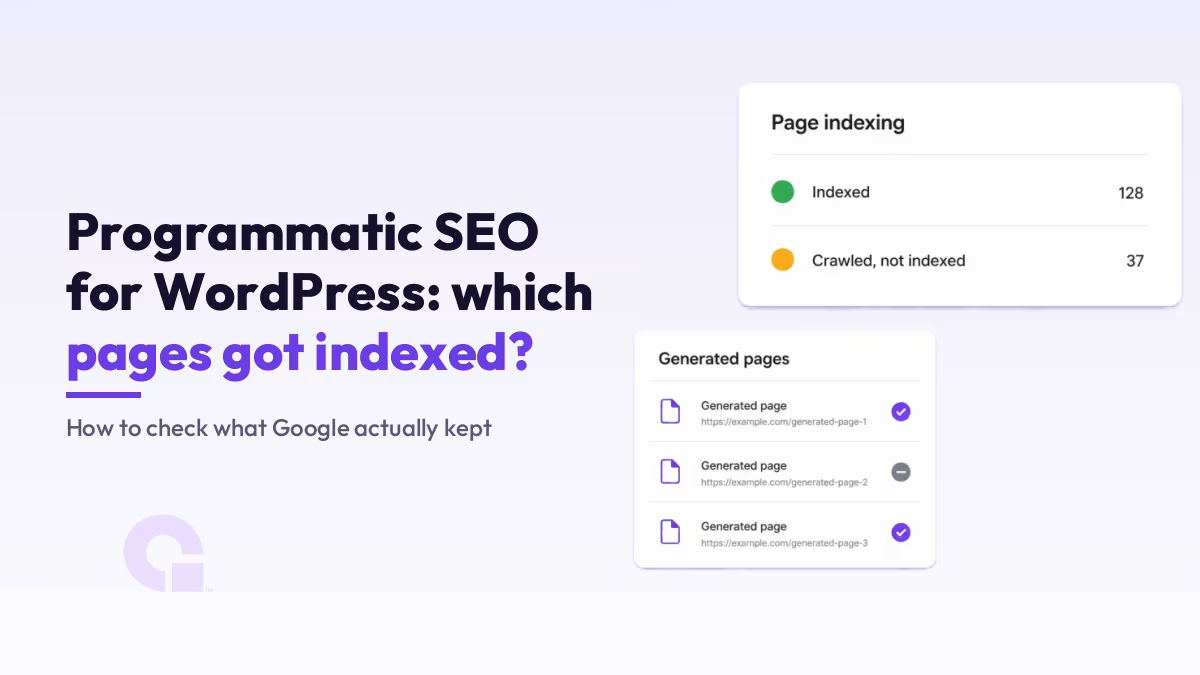
Crawled, currently not indexed usually means Google crawled the page and judged it not worth indexing. Here is what it really means, and which pages to fix, merge, or leave alone.

Should you use a disavow file in 2026? For most sites, no. Google devalues spammy links on its own; a disavow belongs with manual actions and link schemes you actually built.

A Search Console impressions spike with no clicks usually means scraper bots or Google’s logging bug, not real demand; here is how to read it and which numbers to still trust.

A trend list tells you what is rising; this shows you how to validate an eCommerce niche in 2026 on demand, margin, competition, seasonality, and fulfillment risk before you commit.

INP is the Core Web Vital most WordPress sites now fail. This guide shows how to diagnose Interaction to Next Paint and fix it with a practical JavaScript diet, step by step.

A practical Google Business Profile optimization checklist for 2026: get the categories, NAP, photos, posts, and reviews right so your local business actually shows up in the map pack.

Google’s Merchant Center requirements changed in 2026: 500×500 minimum product images, the new video_link attribute, product-level shipping data, and a hard API migration. Here is what WooCommerce stores must fix, with the real deadlines.

Google entity stacking gets sold as a backlink trick, but the version that works is brand entity building: real, verified profiles and consistent information, not a stack of spun Google docs.

A plain-English look at CrUX Vis vs PageSpeed Insights: what lab and field data each one shows, why low-traffic pages show no field data, and which Core Web Vitals numbers to trust.

A practical WordPress migration SEO checklist: what to record before you move, how to map 301 redirects, and the post-launch checks that catch broken images, lost URLs, and ranking drops.

When Search Console indexed pages decreased right after the June report freeze, most of those cliffs were recounts, not lost pages. Here are the four checks I run before changing anything.

A practical 6-month link building plan for real estate agencies, built around local links that competitors cannot copy: sponsorships, local press, partnerships, and neighbourhood content that earns citations on its own.

The complete moving company SEO strategy: Google Business Profile fundamentals, honest location pages per branch, review operations, MovingCompany schema, and long-distance route content that books jobs.