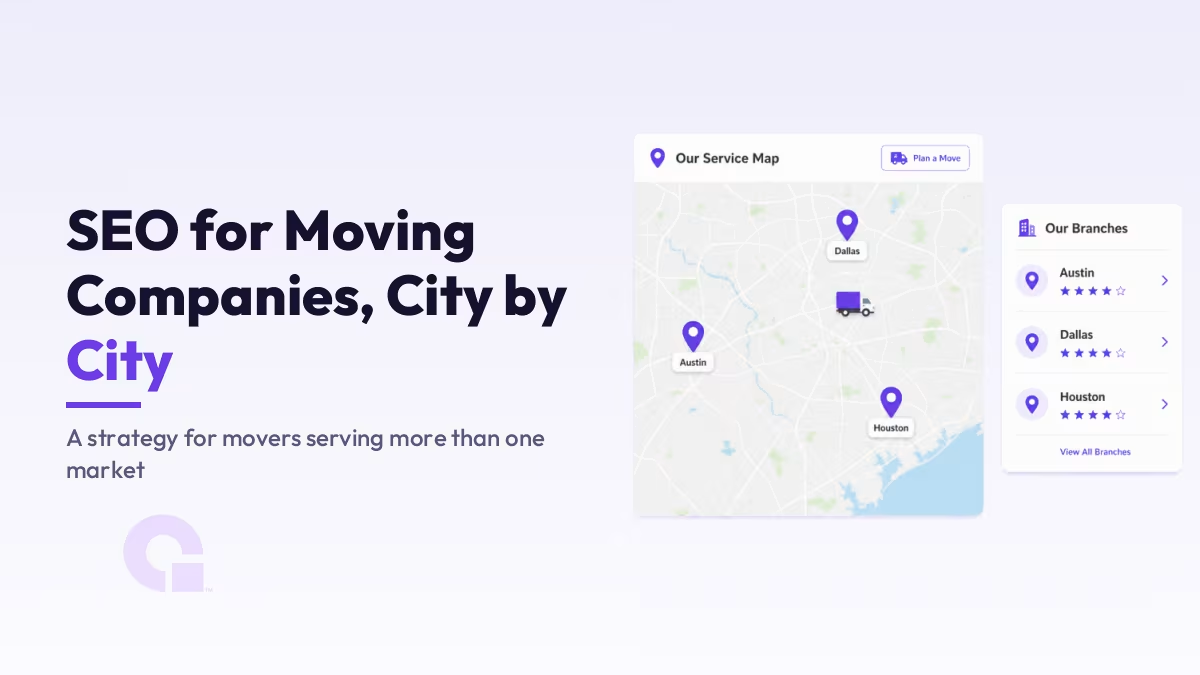
Die meisten Ratschläge zum Thema SEO für Umzugsunternehmen gehen von einem Standort, einer Stadt und einem Kartenpaket aus. Sobald Sie mehrere Märkte bedienen oder Fernstrecken bedienen, passt dieses Konzept nicht mehr, da Sie nicht mehr nur einen lokalen Kampf führen, sondern mehrere gleichzeitig.
Dieser Leitfaden ist der SEO-Strategie für Umzugsunternehmen für den gesamten Auftrag: die Grundlagen für einen einzelnen Standort, auf die jede Filiale angewiesen ist, und dann der schwierigere Teil: mehrere Filialen, weitläufige Einzugsgebiete und Umzüge über Staatsgrenzen hinweg.
Wichtigste Erkenntnisse
- Jede Stadt, in der Sie tätig sind, hat ihre eigenes Kartenpaket, und die Entfernung ist ein Ranking-Faktor, den man nicht vortäuschen kann; die Präsenz muss echt sein.
- Der mit Abstand wichtigste Hebel überhaupt ist eine umfassende, aktive Google Business-Profil mit den richtigen Kategorien und einem stetigen Strom an Bewertungen.
- Google erlaubt ein Unternehmensprofil pro tatsächlich mit Personal besetztem Standort; virtuelle Büros und Postfächer verstoßen gegen die Richtlinien und werden gesperrt.
- Weisen Sie jedem Abfragetyp eine eigene Seite zu; Standortseiten funktionieren nur, wenn jede einzelne echte lokale Inhalte enthält, andernfalls werden sie als Portalseiten.
- Fälle mit großem geografischem Umfang und zwischenstaatlichen Bezügen werden meist in organische Ergebnisse mit Informationen zu Route und Kosten, nicht im Kartenpaket enthalten.
- Bewertungen werden pro Profil erfasst, daher benötigt jede Niederlassung eine eigene Bewertungs-Pipeline und keine gemeinsame Unternehmensbewertung.
- Markiere jede Standortseite mit Schema „MovingCompany“ die die spezifischen Angaben dieser Niederlassung enthalten.
Warum die Suchmaschinenoptimierung (SEO) für Umzugsunternehmen, die in mehreren Städten tätig sind, eine ganz eigene Herausforderung darstellt
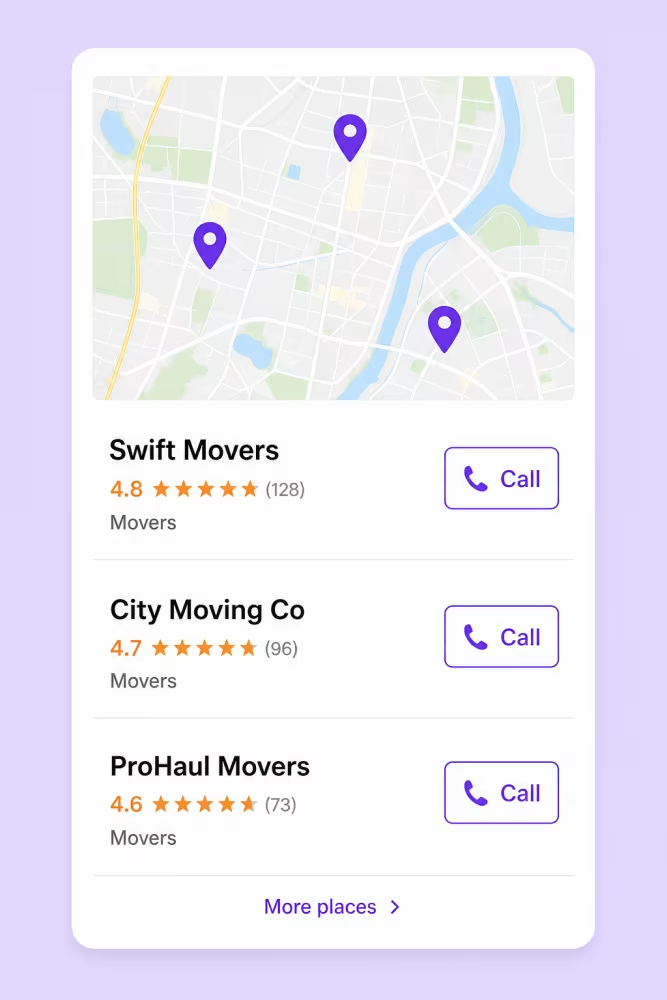
Google ordnet lokale Suchergebnisse nach Relevanz, Entfernung und Bekanntheitsgrad, wie es in seinen Leitfaden zum lokalen Ranking. Die Entfernung ist der Faktor, den man nicht einfach so optimieren kann: Ein Suchender in einer Stadt, in der Sie nicht wirklich präsent sind, wird Sie fast nie im Kartenpaket dieser Stadt sehen.
Ein Umzugsunternehmen, das fünf Märkte bedient, führt also tatsächlich fünf separate lokale Kampagnen durch, jede mit eigenem Profil, eigenen Bewertungen und einer eigenen Seite. Die strategische Frage lautet nicht: “Wie erreiche ich überall ein gutes Ranking für Umzugsunternehmen?”, sondern: “In welchen Märkten kann ich mich wirklich behaupten, und was braucht jeder einzelne davon?”
Die Fundamentaldaten der einzelnen Städte stehen nach wie vor an erster Stelle
Bevor man sich an die Arbeit in mehreren Städten macht, muss jede Niederlassung dieselben Vorbereitungen treffen wie ein lokaler Umzugsdienst mit nur einem Lkw. Das Google-Unternehmensprofil ist dabei der wichtigste Hebel: Beanspruchen und verifizieren Sie es, wählen Sie „Umzugsunternehmen“ als Hauptkategorie aus, fügen Sie Unterkategorien wie „Klaviertransport“ oder „Lagerraum“ nur hinzu, wenn diese tatsächlich zutreffen, und legen Sie das Einzugsgebiet auf die Orte fest, die Sie tatsächlich abdecken, anstatt einen vagen Umkreis anzugeben.
Dann halten Sie Ihr Profil auf dem neuesten Stand. Echte Fotos Ihrer Lkw und Ihrer Teams, klare Leistungsbeschreibungen und gelegentliche Aktualisierungen wirken vertrauenswürdig – sowohl auf Google als auch auf die Person, die darüber entscheidet, ob sie Ihnen die Schlüssel für ihr gesamtes Haus anvertraut. Ein unvollständiges Profil kostet Sie still und leise Aufträge, von denen Sie gar nicht wussten, dass Sie im Rennen waren.
Was die Grundlagen der Website angeht, wird jeder Abfragetyp mit einer eigenen Antwort bedient, anstatt dass eine einzige Seite versucht, alle Aufgaben zu erfüllen:
| Wonach sie suchen | Absicht | Seite, die im Ranking erscheinen sollte |
|---|---|---|
| Umzugsunternehmen in meiner Nähe | Bereit, vor Ort Personal einzustellen | Google-Unternehmensprofil + Startseite/Stadtseite |
| Umzugsunternehmen für Fernumzüge [Stadt] | Vergleich der Dienstleistungsarten | Seite zum Fernverkehr |
| Kosten für den Umzug einer 2-Zimmer-Wohnung | Preisrecherche | Preise oder Inhalte des Leitfadens |
| Klaviertransporte [Stadt] | Spezifische Fachstelle | Seite zu den Spezialdienstleistungen |
Ein Google-Unternehmensprofil pro tatsächlicher Niederlassung
Die Grundlage bildet jeweils ein verifiziertes Profil für jeden Standort, an dem Sie während der Geschäftszeiten tatsächlich Mitarbeiter beschäftigen. Googles Richtlinien zur Unternehmenszulassung Es wird ausdrücklich darauf hingewiesen, dass virtuelle Büros, Postfächer und unbesetzte Adressen nicht zulässig sind, und Umzugsunternehmen sind eine Kategorie, die Google genau im Auge behält, da diese Branche in der Vergangenheit mit Spam-Problemen zu kämpfen hatte.
Für Städte, die Sie bedienen, in denen Sie keine Niederlassung haben, verwenden Sie bitte die Einstellungen zum Einzugsgebiet Ihrer nächstgelegenen tatsächlichen Niederlassung, anstatt eine Adresse zu erfinden. Ein gesperrtes Profil kostet Sie monatelang Bewertungen und Sichtbarkeit – ein weitaus schlimmeres Ergebnis, als wenn Sie Ihr Einzugsgebiet ehrlich angeben.
Standortseiten, die sich ihren Platz verdient haben – keine Doorway-Seiten
Der klassische Fehler bei Mehrstadt-Websites besteht darin, zwanzig Stadtseiten aus einer einzigen Vorlage zu erstellen, bei denen lediglich der Name der Stadt ausgetauscht wird. Googles Richtlinien zum Umgang mit Spam Man nennt diese Seiten „Doorway-Pages“, und selbst wenn sie einer Abstrafung entgehen, erscheinen sie selten in den Suchergebnissen, da sie keine echten Informationen über irgendeine Stadt enthalten.
Eine Standortseite überzeugt durch Inhalte, die Einheimische wiedererkennen: die von Ihnen betreuten Stadtteile, Besonderheiten bei Gebäuden und Parkmöglichkeiten, typische Auftragsvolumina vor Ort, das Team der Niederlassung sowie Bewertungen aus diesem Markt. Passen Sie den Seitentyp an Ihre tatsächliche Präsenz an:
| Ihre Präsenz in der Stadt | Was soll gebaut werden? | Warum es funktioniert |
|---|---|---|
| Filiale mit Personal | Vollständige Standortseite sowie ein eigenes Unternehmensprofil | Die echte Adresse und das Team treten im Kartenpaket dieser Stadt an |
| Einzugsgebiet, kein Büro | Seite zum Einzugsgebiet, verlinkt von der nächstgelegenen Filiale | Erreicht organische Platzierungen, ohne den Standort vorzutäuschen |
| Fernreiseziel | Routenseite (von X nach Y) mit Kosten und Logistik | Erfasst organische Routenanfragen, die nicht durch das Map Pack beantwortet werden |
Fernumzüge werden im „Organic“-Modus gewonnen, nicht im „Map Pack“-Modus
Wer nach “Umzug von Austin nach Denver” sucht, ist nicht auf der Suche nach dem nächstgelegenen Umzugswagen; es gibt kein einziges Kartenpaket, das eine Anfrage mit zwei Städten abdeckt. Diese Suchanfragen führen zu organischen Ergebnissen und gehören zu den lukrativsten Aufträgen, die ein Umzugsunternehmen an Land ziehen kann.
Genau hier kommen Routenseiten und ehrliche Kostenübersichten ins Spiel: Was ein Umzug zwischen diesen Städten in der Regel kostet, wie lange er dauert und was sich beim Überschreiten der Staatsgrenzen ändert. Nur wenige Unternehmen machen sich die Mühe, diese ordnungsgemäß zu erstellen, sodass der Wettbewerb hier geringer ist als bei jedem Kartenpaket, um das Sie sich sonst streiten.
Bewertungen und einheitliche Angaben auf Filialebene
Bewertungen werden für jedes Profil separat erfasst, sodass eine Fünf-Sterne-Bewertung in Ihrer Heimatstadt für eine neue Niederlassung, die bei Null anfängt, keinerlei Bedeutung hat. Jeder Standort benötigt seinen eigenen Bewertungsablauf: Fragen Sie nach Abschluss des Auftrags nach, wenn die Zufriedenheit am höchsten ist, machen Sie den Link mit einem Fingertipp zugänglich und leiten Sie die Kunden jedes Teams zum richtigen Niederlassungsprofil weiter.
Das Gleiche gilt für die langweilige Datenschicht: Name, Adresse und Telefonnummer jeder Filiale müssen überall dort identisch sein, wo diese Filiale auftaucht – diese Vorgehensweise habe ich in Was sollte bei einer lokalen SEO-Strategie einheitlich bleiben?. Eine gemeinsame Telefonnummer für fünf Filialeinträge untergräbt stillschweigend alle fünf.
Das „MovingCompany“-Schema auf jeder Standortseite hinzufügen
Schema-Markup macht Ihre Unternehmensdaten für Suchmaschinen verständlich, und für ein Umzugsunternehmen ist der richtige Typ Umzugsunternehmen, ein Untertyp von „LocalBusiness“. Versorgen Sie die Standortseite jeder Filiale mit einem eigenen Markup, das die Adresse, die Telefonnummer, die Öffnungszeiten und das Einzugsgebiet der jeweiligen Filiale enthält, damit Google Ihre Präsenz direkt auslesen kann, anstatt sie abzuleiten.
Sie müssen das nicht manuell programmieren. Die meisten guten SEO-Plugins generieren das „LocalBusiness“-Schema, sobald die Unternehmensdaten eingegeben wurden. In der Praxis geht es also darum, den Typ für jeden Standort korrekt festzulegen und die Adressen sowie Öffnungszeiten der einzelnen Filialen stets auf dem neuesten Stand zu halten. Es ist ein kleiner technischer Schritt, der still und leise alle darüber liegenden Aspekte stärkt.
Die Vorgehensweise bei der Einführung von SEO in einer neuen Stadt
Wenn man einen Marktplatz eröffnet, kommt es auf die Reihenfolge an, denn Bewertungen und Verweise sammeln sich vom ersten Tag an an, während eine Seite später noch verbessert werden kann. Ich würde folgende Reihenfolge einhalten:
Eröffnung einer neuen Umzugsfiliale, um
- Bestätigen Sie eine echte, mit Personal besetzte Präsenz in der Stadt
- Das Google-Unternehmensprofil der Filiale überprüfen
- Erstellen Sie die Standortseite mit authentischen lokalen Details
- Sammle die ersten zehn Bewertungen aus deinen ersten Aufträgen
- Zweigstellen mit identischem Namen, identischer Adresse und identischer Telefonnummer hinzufügen
Das Muster ist dasselbe, das auch in anderen Dienstleistungsbranchen funktioniert; mein SEO-Leitfaden für die HLK-Branche wendet dieselbe „Map-Pack“-Mechanik auf eine andere Branche an, und die daraus zu ziehende Lehre lautet, dass das Profil und die Bewertungen Vorrang vor den Inhalten haben.
Wo sollte ein Umzugsunternehmen also anfangen?
Wäre dies mein Kunde, hätten das Profil und die Bewertungen oberste Priorität, denn genau daraus ergeben sich die Anrufe im nächsten Monat. Eine professionell gestaltete Website mit einem vernachlässigten Profil wird dennoch aus dem Map Pack ausgeschlossen – und das Map Pack ist entscheidend.
Für ein Umzugsunternehmen, das in mehreren Städten tätig ist, bedeutet dies, dass man zunächst die stärkste Niederlassung wirklich marktbeherrschend aufstellen muss, bevor man seine Kräfte auf alle Märkte verteilt, denn eine gut platzierte Niederlassung liefert die nötige Erfahrung und finanziert den Rest. Zehn dünn bestückte Stadtseiten, die auf einmal gestartet werden, bringen einem zehn schwache Positionen und keine Erkenntnisse.
Erweitern Sie anschließend den Markt Schritt für Schritt in der oben genannten Reihenfolge, und richten Sie für Inhalte zu Fernstrecken einen eigenen Arbeitsstrang ein, da sich diese unabhängig von der Anzahl der Filialen positiv auf die organische Suche auswirken. Bezahlte Kanäle wie „Local Services Ads“ können einen neuen Markt erschließen, während sich das Profil weiterentwickelt; sie ergänzen diese Arbeit, ersetzen sie jedoch nicht.
Möchten Sie, dass Ihr Umzugsunternehmen in jedem Markt, den Sie bedienen, präsent ist?
Wenn Sie möchten, dass die Filialprofile, Standortseiten und Routeninformationen vom ersten Tag an korrekt eingerichtet sind, mit uns arbeiten oder E-Mail. Nur wenn die lokalen Grundlagen für jeden Markt richtig gelegt werden, führt die Expansion zu konkreten Aufträgen.
Änderungsprotokolle
05. Juli 2026
- Der Leitfaden für einzelne Standorte wurde in diesen Beitrag integriert: Die Grundlagen zur Einrichtung des Unternehmensprofils, die Tabelle „Suchanfragen und Seiteninhalte“ sowie das „MovingCompany“-Schema sind nun hier verfügbar, wodurch dieser Beitrag zum wichtigsten SEO-Leitfaden für Umzugsunternehmen wird.
04. Juli 2026
- Überarbeitet als strategischer Leitfaden für mehrere Städte: Unternehmensprofile auf Filialebene und die Zulassungsregeln von Google, authentische Standortseiten im Gegensatz zu Doorway-Seiten, Inhalte zu Fernstrecken sowie eine marktspezifische Einführungssequenz, durchgehend mit aktuellen Verweisen auf Google.
Möchtest du, dass unsere Beiträge öfter bei Google erscheinen?
Ein Schritt – und Google zeigt diese Seite in Ihren „Top Stories“ an.

 Google-Unternehmensprofil gesperrt: Welchen Einspruch einlegen und in welcher Reihenfolge?
 Lokale Suchmaschinenoptimierung für Unternehmen mit Einzugsgebiet: In welchen Orten Sie tatsächlich ein gutes Ranking erzielen können
 Google-Bewertung wird nicht angezeigt? So finden Sie die eigentliche Ursache heraus und erfahren, wer das Problem beheben kann