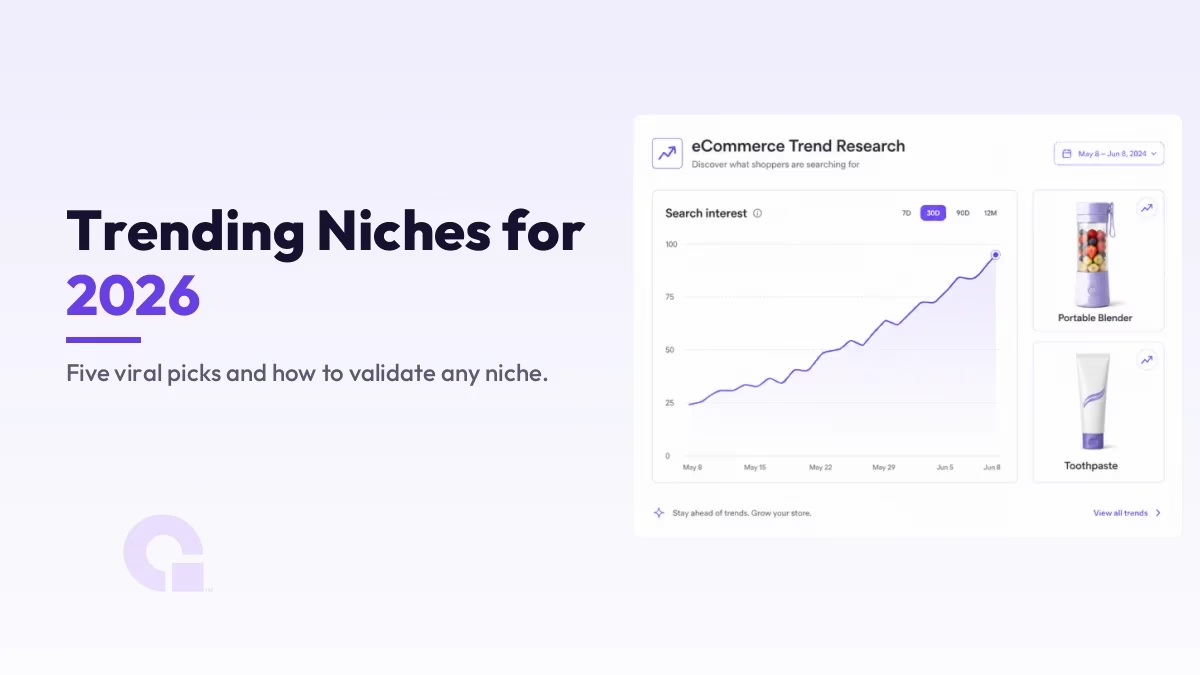
Jeder ist auf der Suche nach den Trendnischen des Jahres 2026, doch die Liste der Namen ist dabei der am wenigsten hilfreiche Teil. Was wirklich zählt, ist, einen dauerhaften Gewinner von einem kurzlebigen Hype zu unterscheiden, der wieder abflaut. Ein guter Nischenbeitrag muss daher diese Urteilsfähigkeit vermitteln und nicht nur eine Liste liefern.
Dieser Artikel vereint also beides. Ich nutze fünf echte Viral-Erfolge, die ich als Fallstudien verfolgt habe, füge hinzu, was mich auf dem Weg ins Jahr 2026 wirklich bewegt, und verrate Ihnen dann genau, welche Überprüfungen ich durchführe, bevor ich in eine Nische einsteige.
Wichtigste Erkenntnisse
- Die fünf ausgewählten Fallstudien befassen sich mit tragbaren Mixern, Vitaminpräparaten für Kleinkinder, tragbaren Minidruckern, schwarzem Essig und violetter Zahnpasta.
- Google Trends zeigt das relative Suchinteresse an, nicht den Umsatz. Eine steigende Kurve ist also ein Zeichen für Aufmerksamkeit, nicht für Geld auf dem Konto.
- Die meisten einmaligen, viralen Gadgets erleben einen rasanten Hype und geraten ebenso schnell wieder in Vergessenheit, während Verbrauchsartikel und wirklich nützliche Hilfsmittel länger Bestand haben.
- Mit Blick auf das Jahr 2026 entwickeln sich beständigere Kategorien wie Tiergesundheit, Öko- und Nachhaltigkeitsprodukte sowie Küchenhelfer tendenziell besser als einzelne Trendprodukte.
- Bevor Sie sich festlegen, sollten Sie die Nachhaltigkeit der Nachfrage, die Wiederkaufrate, die Marge, den Wettbewerb und die Einhaltung gesetzlicher Vorschriften prüfen und die Machbarkeit sicherstellen, bevor Sie Geld ausgeben.
Was diese fünf Auswahlen aussagen (und was die Zahlen bedeuten)
Diese fünf Begriffe ergaben sich aus der Nischenanalyse, die ich durchgeführt habe, und jeder von ihnen wurde mit einem Google-Trends-Wert angegeben – an dieser Stelle möchte ich einen Hinweis hinzufügen, den ich damals nicht besonders hervorgehoben habe.
Google Trends gibt nicht an, wie viele Personen nach einem Begriff gesucht haben. Es gibt an, relatives Interesse auf einer Skala von 0 bis 100, gemessen am höchsten Wert dieses Begriffs für die von Ihnen ausgewählte Region und das von Ihnen gewählte Zeitfenster (Google erläutert dies in seinen FAQ zu Trends). Eine steigende Linie zeigt also an, dass das Interesse zugenommen hat – nicht aber, dass eine ganze Schar von Käufern in den Startlöchern steht –, und diese Unterscheidung ist wichtig, bevor man Aktien kauft.
| Nische | Was es ist | Woher das Interesse kam | Was man sich jetzt ansehen sollte |
|---|---|---|---|
| Tragbare Mixer | Wiederaufladbare Einzelportions-Mixer für Smoothies für unterwegs | Beiträge zu den Themen Fitness und Smoothies in sozialen Netzwerken | Stark gesättigt; sperrig im Versand und anfällig für Rücksendungen |
| Vitamine für Säuglinge | Vitamintropfen und Nahrungsergänzungsmittel für Babys | Gesundheitsbewusste Eltern, stetige Nachfrage durch Stammkunden | Regulierte Gesundheitsbranche; strenge Vorschriften hinsichtlich Treuhand und Schadensabwicklung |
| Tragbare Mini-Drucker | Taschen-Thermodrucker für Fotos, Notizen und Aufkleber | Studierende, Tagebuchschreiben und Planer-Communities | Echter Nutzen plus wiederverwendbares Verbrauchsmaterial aus Papier; hier das stärkste Argument |
| Schwarzer Essig | Essig zum Trinken, der als Wellness-Tonikum verkauft wird | Interesse an Darmgesundheit und Wohlbefinden | Ein Geschmack, an den man sich erst gewöhnen muss; vermeiden Sie gesundheitsbezogene Angaben, die Sie nicht belegen können |
| Lila Zahnpasta | Zahnpasta zur Farbkorrektur für weißere Zähne | Ein großer Beauty-Trend auf TikTok | Kosmetisch und vorübergehend; mittlerweile zu einer Massenware geworden |
1. Handmixer: im Trend, aber der Markt ist gesättigt
Das sind die wiederaufladbaren Ein-Portions-Mixer, die man über USB auflädt und mit denen man auch außerhalb der Küche einen Smoothie zubereiten kann. Sie sind so beliebt geworden, weil sie sich gut fotografieren lassen und perfekt zu den Fitness- und Wellness-Inhalten passen, die damals überall in den sozialen Netzwerken zu sehen waren – genau die Art von Aufmerksamkeit, die Google Trends erfasst.
Ehrlich gesagt sieht es derzeit so aus, als wäre der Markt hier überfüllt. Das Produkt ist sperrig, es ist so empfindlich, dass es zu Rücksendungen führt, und Dutzende nahezu identischer Angebote konkurrieren preislich miteinander. Es verkauft sich zwar immer noch, aber erfolgreich ist man hier nur mit einer Marke und einem echten Alleinstellungsmerkmal – nicht als der hundertste No-Name-Shop.
2. Vitamine für Säuglinge: stabil, aber streng reguliert
Baby-Vitamintropfen sind etwas ganz anderes als ein viraler Trendartikel. Die Nachfrage ist eher gleichmäßig als sprunghaft, da Eltern diese Produkte nach einem festen Zeitplan kaufen, und diese Wiederholungskäufe sind für ein Geschäft wirklich attraktiv.
Der Haken daran ist, dass es sich um ein Gesundheitsprodukt für Säuglinge handelt, das daher strengen regulatorischen Auflagen unterliegt und hohe Vertrauensansprüche erfüllen muss. Sie haben es hier mit Vorschriften zu Werbeaussagen, Bezugsquellen und Sicherheitsanforderungen zu tun, die für Handyzubehör überhaupt keine Rolle spielen. Es kann sich zwar um eine vielversprechende Nische handeln, aber behandeln Sie das Ganze wie ein ernstzunehmendes Geschäft und nicht wie ein schnelles Geschäftchen.
3. Tragbare Minidrucker: die robusteste Wahl
Diese Thermodrucker im Taschenformat drucken Fotos, Notizen und Aufkleber direkt vom Smartphone aus und haben bei Schülern sowie in Journaling- und Planer-Communities großen Anklang gefunden. Von den fünf Modellen ist dies das Modell, auf das ich nach wie vor am meisten setzen würde, und es verzeichnete damals den stärksten Anstieg des Interesses.
Der Grund dafür sind die Verbrauchsmaterialien: Die Käufer kommen immer wieder, um Thermopapier zu kaufen, sodass aus einem einzigen Verkauf eine kleine Kaufserie entstehen kann. Kombiniert man ein wirklich nützliches Gerät mit Wiederholungskäufen, entsteht ein nachhaltiges Geschäftsmodell und nicht nur ein vorübergehender Trend.
4. Schwarzer Essig: ein Nachkaufprodukt, bei dem der Geschmack eine Hürde darstellt
Schwarzer Essig profitierte vom allgemeinen Interesse an Wellness und Darmgesundheit und wurde als tägliches Stärkungsmittel vermarktet, das man trinkt und nicht zum Kochen verwendet. Als Konsumgut hat er dieselbe Anziehungskraft für Wiederholungskäufe wie die Drucker, was ein Pluspunkt für ihn ist.
Zwei Dinge dämpfen die Begeisterung. Der Geschmack ist gewöhnungsbedürftig, sodass Rückgaben und Einmal-Käufer ein Risiko darstellen, und es handelt sich um ein Wellness-Produkt, was bedeutet, dass Sie gesundheitsbezogene Angaben vermeiden sollten, die Sie nicht ordnungsgemäß belegen können. Verkaufen Sie das Erlebnis und das Ritual, nicht ein Heilmittel.
5. Lila Zahnpasta: ein Hype, der sich wieder gelegt hat
Lila Zahnpasta ist das deutlichste Beispiel für einen Hype-Anstieg in dieser Liste. Dabei wird die Farblehre genutzt – Lila ist die Komplementärfarbe zu Gelb –, um die Zähne für kurze Zeit heller erscheinen zu lassen, und der Trend erzielte auf TikTok mehrere zehn Millionen Aufrufe.
Hier ist der Teil, den die Werbung auslässt: Zahnärzte bezeichnen es als vorübergehenden kosmetischen Effekt und nicht als echte Zahnaufhellung („Cosmetics & Toiletries“ beleuchtet hier die wissenschaftlichen Aspekte). Solche Trends kommen schnell auf und sind ebenso schnell wieder vorbei, und dieser hier ist bereits zur Massenware geworden. Daher würde ich mich nur mit einer echten Marke und einem neuen Ansatz darauf einlassen.
Was sind eigentlich die Trends für das Jahr 2026?
Wenn Sie sich eher an aktuellen Entwicklungen orientieren möchten als an einer zwei Jahre alten Momentaufnahme, sind die Kategorien, die in der Nischenforschung für 2026 immer wieder auftauchen, das Wohlbefinden von Haustieren und Nahrungsergänzungsmittel, umweltfreundliche und nachhaltige Produkte, Haushalts- und Küchengeräte sowie Handy-Zubehör, das durch MagSafe und faltbare Geräte neu definiert wird. Shopifys eigene Produktübersicht verweist auf dieselben Cluster.
Diese sind aus einem Grund besser als ein einzelnes virales Gadget: Es handelt sich um breit gefasste, wiederverwendbare Kategorien und nicht um ein einzelnes Vorzeigeprodukt, sodass die Nachfrage nicht versiegt, wenn der Trend nachlässt. Ein viraler Look wie die „Coquette“-Ästhetik verbreitet sich zwar schnell in den sozialen Netzwerken, aber ein Geschäft baut man auf der zugrunde liegenden Kategorie auf – nicht auf dem einen Artikel, den ein Monat lang jeder kopiert.
Woran erkennt man, ob sich eine angesagte Nische tatsächlich lohnt?
Hier zeigt sich, warum eine Liste wie diese ihren Preis wert ist. Der Name der Nische ist nur ein Anhaltspunkt; ob daraus ein Geschäft wird, hängt von einer Handvoll Überprüfungen ab, die Sie an einem Nachmittag durchführen können, bevor Sie Geld für Lagerbestände oder Werbung ausgeben.
Die 5 Überprüfungen, die ich vor dem Einstieg in einen Trend durchführe
- Nachhaltigkeit: Handelt es sich bei den Zinsen um einen stetigen Anstieg über 12 bis 24 Monate oder um einen Spitzenwert, der bereits wieder abgeflacht ist?
- Nachkauf: Gibt es Verbrauchsmaterial oder Nachfüllpackungen, oder ist es ein einmaliger Kauf?
- Gewinnspanne und Versand: Ist das Produkt leicht, klein und robust genug, um es kostengünstig zu versenden, ohne dass es zu Rücksendungen kommt?
- Wettbewerb: Bist du ein Vorreiter, oder sind bereits alle Marktplatz-Verkäufer und Social-Shop-Betreiber dabei?
- Compliance und Marke: Gibt es diesbezügliche Angaben oder Sicherheitsvorschriften, und kann man dies als Marke für sich beanspruchen?
Beachten Sie, wie die fünf ausgewählten Produkte in dieser Hinsicht unterschiedlich abschneiden. Bei den Minidruckern punkten Haltbarkeit und Wiederkauf, während die lila Zahnpasta zwar durch ihre anfängliche Aufmerksamkeit besticht, aber in puncto Durchhaltevermögen und Differenzierung versagt. Genau darum geht es: Hinter demselben Trendbegriff verbergen sich sehr unterschiedliche Geschäftsmodelle.
Sobald eine Nische diese Kriterien erfüllt, gilt für den Rest dieselbe Vorgehensweise, die ich überall anwende. Man braucht nach wie vor eine echte Plattform, daher lohnt es sich, frühzeitig zu entscheiden, wo man sie aufbaut. Aus diesem Grund vergleiche ich die wichtigsten Optionen in meinem Leitfaden: Wix vs. WordPress vs. Squarespace, und man braucht immer noch eine gewisse thematische Tiefe rund um das Produkt, was mein Thematischer Kartenführer geht hindurch.
Lohnt es sich also immer noch, diese angesagten Nischen auszuprobieren?
Ganz ehrlich: Betrachten Sie diese Liste als Abkürzung bei der Recherche, nicht als Einkaufsliste. Von diesen fünf Produkten würde ich mich heute noch für die tragbaren Minidrucker entscheiden, denn ein nützliches Gerät in Kombination mit Papier als Verbrauchsmaterial sorgt für echtes Folgegeschäft, während der Markt für Mixer und die lila Zahnpasta mittlerweile überfüllt ist und das Interesse daran nachgelassen hat.
Ich will damit nicht sagen, dass man die Suche nach Trends abschreiben sollte; ein neuer Trend mit einem originellen Ansatz kann durchaus funktionieren, und die hier vorgestellten Tipps zu „Eltern und Verbrauchsgütern“ haben nach wie vor Potenzial. Führen Sie einfach zuerst die fünf Prüfschritte durch, denn der Unterschied zwischen einem glücklichen Verkaufsschub und einem beständigen Geschäft liegt in der Validierung, nicht in der Liste selbst. Wenn Sie die vollständige Liste möchten, meine Teil 1: Leitfaden für wachsende Nischen umfasst die ersten fünf.
Möchten Sie ein Geschäft aufbauen, das auf einer Nische basiert, die sich tatsächlich bewährt?
Wenn Sie lieber eine Nische auf ihre Tragfähigkeit prüfen und sie gleich beim ersten Mal richtig aufbauen möchten, mit uns arbeiten oder E-Mail und ich werde dir dabei helfen, ein Modell auszuwählen und zusammenzubauen, das lange hält.
Änderungsprotokolle
02. Juli 2026
- Für 2026 überarbeitet: Die fünf Beispiele wurden als Fallstudien neu gestaltet, es wurde ein Abschnitt darüber hinzugefügt, was sich mit Blick auf das Jahr 2026 tatsächlich als Trend abzeichnet, es wurde verdeutlicht, was Google Trends tatsächlich misst, und es wurde eine einfache Fünf-Punkte-Methode zur Überprüfung beliebiger Nischen hinzugefügt.
- Die Abschnittsüberschriften wurden so gestaltet, dass sie in sich geschlossen sind und jeweils ihr eigenes Thema benennen.
Möchtest du, dass unsere Beiträge öfter bei Google erscheinen?
Ein Schritt – und Google zeigt diese Seite in Ihren „Top Stories“ an.

 ChatGPT-Einkaufsstudie: Was entscheidet tatsächlich darüber, ob Ihre Produkte genannt werden?
 Long-Tail-Keywords und KI-Übersichten: Was unsere Studie zu E-Commerce-Verweisen ergeben hat
 SEO für E-Commerce-Kategorieseiten: Was Seiten, die in den Suchergebnissen ganz oben stehen, tatsächlich mit ihrem Text machen