Die meisten SEO-Ratschläge für Anfänger überhäufen einen mit zwanzig Aufgaben auf einmal, und genau deshalb schaffen es neue Website-Betreiber am Ende, keine davon richtig umzusetzen. Man braucht eigentlich nur fünf, die in der richtigen Reihenfolge erledigt werden.
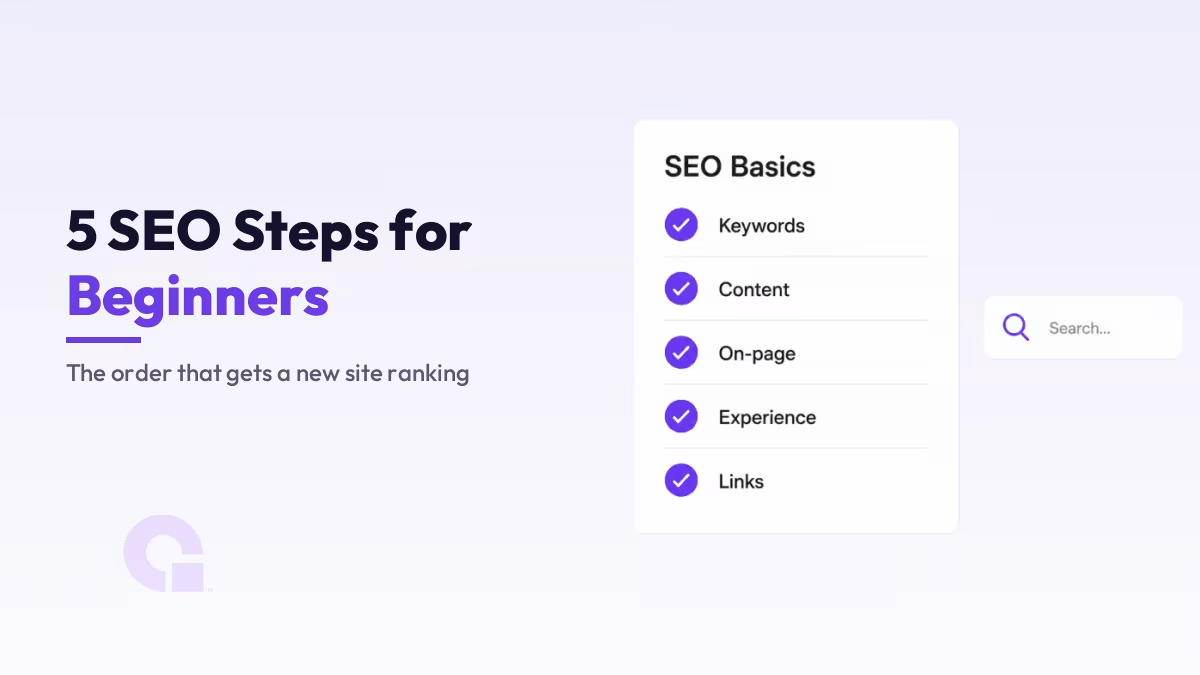
Finden Sie Keywords, mit denen Sie punkten können, passen Sie Ihre Inhalte an die dahinterstehende Suchabsicht an, beachten Sie die Grundlagen der On-Page-Optimierung, sorgen Sie für eine benutzerfreundliche Seite und sichern Sie sich Ihre ersten Backlinks. Ich werde Sie durch jeden Schritt führen, so wie ich es einem neuen Kunden erklären würde.
Wichtigste Erkenntnisse
- Beginnen Sie mit einer Handvoll Long-Tail-Keywords mit geringem Wettbewerb; die Google-Autovervollständigung zeigt Ihnen kostenlos Suchbegriffe an, die echte Nutzer tatsächlich eingeben.
- Inhalte, die der Suchabsicht entsprechen, sind besser als Inhalte, die lediglich länger sind; gehen Sie darauf ein, was der Suchende als Nächstes tun möchte.
- Bei der On-Page-SEO geht es vor allem um die Platzierung: Das Schlüsselwort im Titel, früh im Text und eine übersichtliche Überschriftenstruktur.
- Lesbarkeit und Ladegeschwindigkeit sind Teil der Suchmaschinenoptimierung (SEO), da sie darüber entscheiden, ob Besucher auf der Seite bleiben, für die Sie ein gutes Ranking erreicht haben.
- Die ersten Backlinks einer neuen Website resultieren daraus, dass sie eine zitierfähige Quelle darstellt und über eine saubere interne Verlinkung verfügt – nicht aus dem Kauf von Links.
- Laut den eigenen Angaben von Google dauert es etwa vier Monate bis zu einem Jahr, bis Ergebnisse sichtbar werden. Beurteilen Sie den Fortschritt daher anhand dieses Zeitrahmens.
Schritt 1: Finden Sie Suchbegriffe, bei denen Sie tatsächlich punkten können
SEO beginnt mit den Suchbegriffen, die Nutzer eingeben, und der Fehler, den Anfänger oft machen, ist, sich auf die großen Suchbegriffe zu konzentrieren. Eine neue Website wird bei “Katzenfutter” so schnell keine guten Platzierungen erzielen, aber sie kann bei einem spezifischen Long-Tail-Suchbegriff wie “bestes Bio-Katzenfutter für Kätzchen” gut ranken, da hier weitaus weniger Websites um diese Platzierungen konkurrieren.
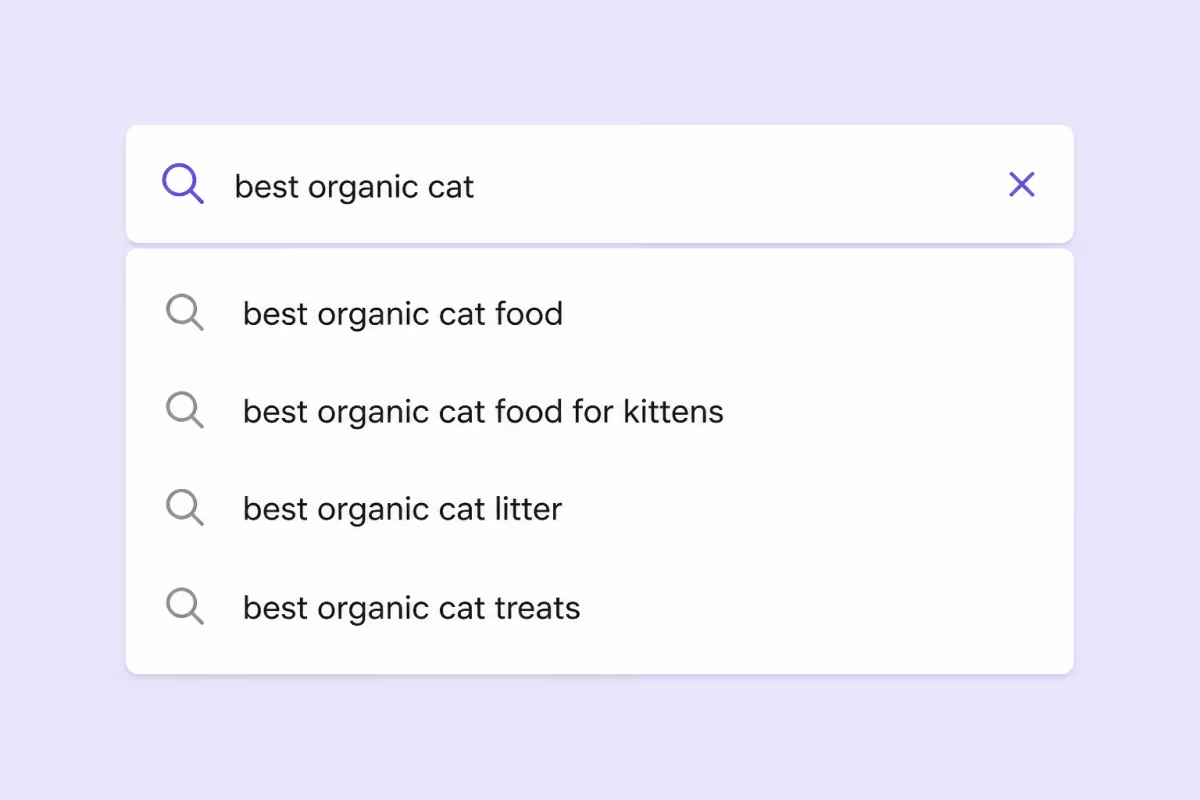
So können Sie diese Liste kostenlos erstellen: Google-Autovervollständigung. Geben Sie einen Begriff aus Ihrer Nische in Google ein und notieren Sie sich die Vorschläge, denn diese stammen aus echten Suchanfragen. Wählen Sie auf diese Weise fünf Long-Tail-Keywords aus, die jeweils so spezifisch sind, dass Sie die beste Antwort darauf liefern können.
Sollte Ihnen während Ihrer Recherche ein Begriff aus Ihrer Liste unbekannt vorkommen, beachten Sie bitte unsere Glossar mit 100 SEO-Begriffen für Einsteiger In einem neuen Tab öffnen. Darin wird der Wortschatz behandelt, auf den sich dieser Leitfaden stützt.
Schritt 2: Passen Sie Ihre Inhalte an die Suchabsicht an
Hinter jeder Suche steht eine Aufgabe, die der Suchende erledigt haben möchte, und Ihre Seite muss diese Aufgabe erfüllen. Jemand, der nach “bestes Bio-Katzenfutter” sucht, vergleicht verschiedene Optionen und möchte daher einen Vergleich mit Vor- und Nachteilen sowie Preisen sehen – und keine Geschichte der Tierernährung. Moz’ Leitfaden zur Suchabsicht ist eine gute Einführung in die Lektüre dieses Textes, die Sie direkt auf der Ergebnisseite finden.
Die schnellste Überprüfung: Suchen Sie nach Ihrem Stichwort und schauen Sie sich an, welche Ergebnisse bereits ganz oben stehen. Wenn die erste Seite voller Listenartikel ist und Sie einen persönlichen Essay geplant haben, verrät Ihnen die Suchabsicht, welches Format besser ankommt. Fügen Sie dann das hinzu, was den bestehenden Seiten fehlt – seien es aktuellere Daten, ein klarerer Vergleich oder Erfahrungen aus erster Hand –, denn Google Nützliche Hinweise zu Inhalten belohnt genau diese Originalität.
Schritt 3: Die Grundlagen der On-Page-SEO behandeln
On-Page-SEO ist einfacher als früher, und es kommt vor allem auf die Platzierung an. Fügen Sie Ihr Schlüsselwort in den Seitentitel, in den ersten ein oder zwei Absätze sowie an einigen Stellen ganz natürlich in den Text ein und strukturieren Sie die Seite dann mit klaren Überschriften, damit sowohl Leser als auch Crawler dem Aufbau folgen können. Googles eigene SEO-Leitfaden für Einsteiger bestätigt, dass dies im Wesentlichen das Wichtigste auf der Seite ist.
Fügen Sie das Schlüsselwort nicht in jede Überschrift ein; das wirkt unnatürlich und wirkt sich nachteilig aus. In WordPress lassen sich Titel, Meta-Beschreibung und Schema-Einstellungen mit einem SEO-Plugin viel einfacher handhaben, und das Plugin, das ich auf den meisten von mir geprüften Websites verwende, ist Rang Mathematik.
Schritt 4: Gestalten Sie die Seite übersichtlich und schnell
Google berücksichtigt zwar die Benutzererfahrung, doch der eigentliche Grund, warum dieser Schritt so wichtig ist, ist der Leser. Eine Textwand auf einer langsamen Seite vertreibt den Besucher, den Sie gerade gewonnen haben – und ein verlorener Besucher kann weder konvertieren noch ein Abonnement abschließen oder auf Ihre Seite verlinken.
Beschränken Sie Absätze auf zwei oder drei Sätze, gliedern Sie Abschnitte mit Zwischenüberschriften und überprüfen Sie Ihre Seite mit PageSpeed Insights, um eventuelle Leistungsengpässe zu erkennen. Sie brauchen keine perfekte Punktzahl; wichtig ist, dass die Seite so schnell geladen wird, dass der Leser die Wartezeit gar nicht bemerkt.
Schritt 5: Verdiene dir deine ersten Backlinks, indem du selbst die Quelle bist
Links spielen nach wie vor eine Rolle, wenn auch nicht so, wie es die lautesten Stimmen behaupten, und ein Anfänger braucht gar nicht so viele. Die zuverlässigste Strategie für den Anfang, die ich kenne, ist als Quelle: Veröffentlichen Sie eine konkrete Statistik, einen kleinen, originellen Datensatz oder eine wirklich nützliche Referenzseite für Ihre Nische, damit Autoren, die über dieses Thema berichten, einen Grund haben, Sie zu zitieren.
Während sich diese ersten Erwähnungen ansammeln, leisten Ihre internen Links im Hintergrund wertvolle Arbeit. Durch die Verlinkung verwandter Seiten wird Autorität zwischen ihnen weitergegeben, und diesen Mechanismus erläutere ich in unserem Leitfaden zu Link-Juice. Bei Suchbegriffen mit geringem Wettbewerb reichen oft bereits hochwertige Inhalte und eine gut strukturierte interne Verlinkung aus, um ein gutes Ranking zu erzielen – und das fast ganz ohne externe Links.
Die SEO-Reihenfolge für Anfänger
- Wählen Sie fünf Long-Tail-Keywords aus, mit denen Sie gute Chancen auf einen Erfolg haben
- Erstelle eine Seite, die der Suchabsicht entspricht
- Titel, Überschriften und Meta-Daten festlegen
- Lesbarkeit und Ladegeschwindigkeit prüfen
- Verdiene dir deine ersten Links, indem du die Quelle bist
| Schritt | Was es für Sie leistet | Kostenloses Tool |
|---|---|---|
| Keyword-Recherche | Findet Suchbegriffe, mit denen Sie realistisch gesehen ein gutes Ranking erzielen können | Google-Autovervollständigung |
| Auf die Absicht abgestimmte Inhalte | Sorgt für Klicks und bindet den Besucher | Die Ergebnisseite selbst |
| Grundlagen der On-Page-Optimierung | Teilt Google mit, worauf die Seite abzielt | Ein SEO-Plugin |
| Erfahrung | Hält die Leser auf der Seite, für die Sie ein Ranking erzielt haben | PageSpeed Insights |
| Erste Links | Stärkt die Autorität, die andere Seiten übernehmen | Ihre eigenen zitierfähigen Daten |
Wo sollte ein Anfänger also eigentlich mit SEO anfangen?
Beginnen Sie mit der Keyword-Liste, denn jeder weitere Schritt hängt davon ab. Ein gut gewähltes Long-Tail-Keyword erleichtert das Verfassen des Inhalts, macht die On-Page-Optimierung offensichtlich und ermöglicht es, die ersten Backlinks zu erhalten, während ein schlecht gewähltes Keyword alle vier folgenden Schritte zunichte macht.
Und geben Sie dem Ganzen Zeit. Laut den Empfehlungen von Google sind realistische Ergebnisse erst nach vier Monaten bis zu einem Jahr zu erwarten – beurteilen Sie die Arbeit also nicht bereits in der dritten Woche; ich gehe näher auf diesen Zeitrahmen und einige andere Aspekte ein Häufige SEO-Mythen getrennt. Ja, bezahlte Anzeigen sorgen schneller für Besucherzahlen, aber die Seiten, mit denen Sie ein gutes Ranking erzielen, wirken noch lange nach, nachdem das Werbebudget aufgebraucht ist.
Kommen Sie bei Ihren ersten SEO-Schritten nicht weiter?
Wenn Sie sich nicht sicher sind, welche Suchbegriffe Sie wählen sollen oder warum eine Seite kein gutes Ranking erzielt, kontaktieren Sie uns oder E-Mail und ich werde Ihnen den richtigen Weg weisen. Wenn man die ersten Schritte richtig angeht, spart man sich monatelangen unnötigen Aufwand.
Änderungsprotokolle
05. Juli 2026
- Der Leitfaden für 2026 wurde überarbeitet und enthält nun eine klarere Reihenfolge der Schritte, realistische Zeitvorgaben aus den offiziellen Richtlinien von Google sowie ein kostenloses Tool für jeden Schritt.
Möchtest du, dass unsere Beiträge öfter bei Google erscheinen?
Ein Schritt – und Google zeigt diese Seite in Ihren „Top Stories“ an.