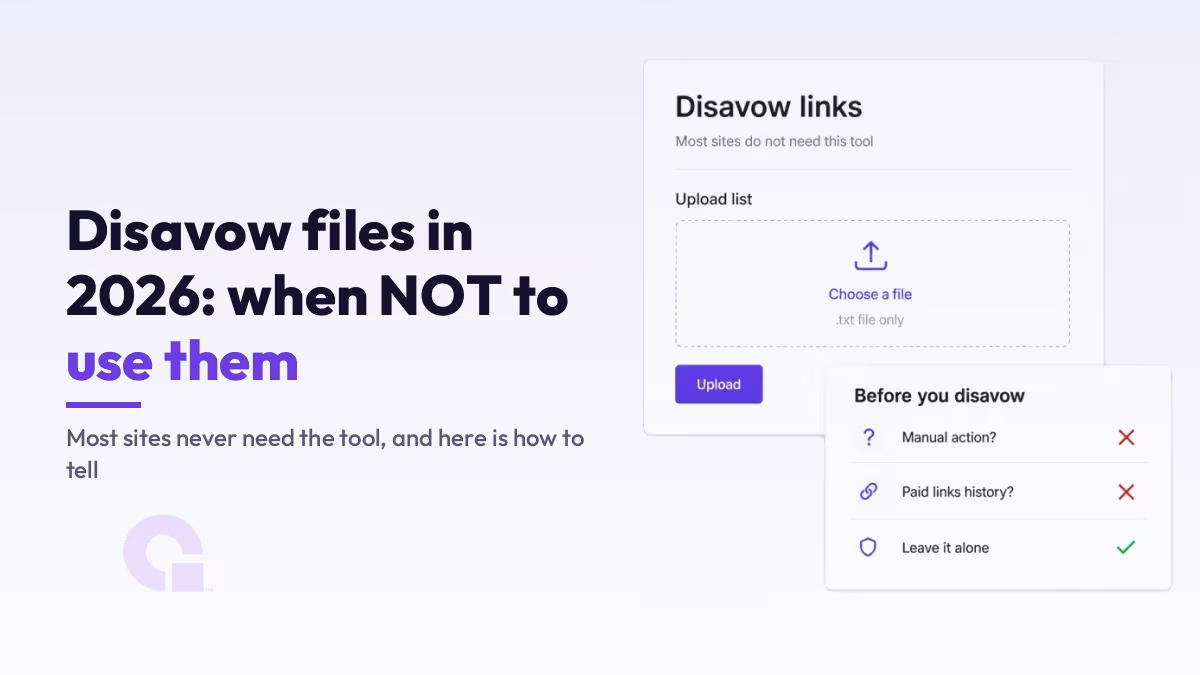
Die Disavow-Datei ist die am häufigsten überbewertete Abhilfemaßnahme im Bereich SEO. Die Rankings sinken, ein Tool markiert einen Teil des Backlink-Profils rot, und jemand lädt eine Liste von Domains bei Google hoch, in der Hoffnung, dass dies den Einbruch behebt.
In den meisten dieser Fälle bewirkt die Datei gar nichts, und im schlimmsten Fall unterbricht sie Verbindungen, die still und leise hilfreich waren.
Hier erfahren Sie, wann eine Disavow-Maßnahme wirklich in Ihren Plan gehört und wann nicht.
Wichtigste Erkenntnisse
- Laut Googles eigener Dokumentation ist das Disavow-Tool auf Websites beschränkt, gegen die aufgrund von von ihnen erstellten Links eine manuelle Maßnahme verhängt wurde (oder voraussichtlich verhängt wird); die meisten Websites fallen nicht unter diese Kategorie.
- Seit Penguin 4.0 im Jahr 2016 wertet Google Spam-Links ab, anstatt die Website in den Suchergebnissen herabzustufen, und das SpamBrain-Update vom Dezember 2022 neutralisiert diese Links in großem Umfang.
- Das regelmäßige Disavowen von Links aufgrund des “Toxic Score” eines Tools führt dazu, dass echte, wertvolle Backlinks verloren gehen; dieser Fehler kostet Platzierungen, während der Spam keine Kosten verursacht hat.
- Eine wiederkehrende Gewohnheit, Links abzulehnen, ist im Grunde genommen ein Selbstbekenntnis zu Ihrer eigenen Linkbuilding-Praxis; wenn das Profil immer wieder bereinigt werden muss, besteht die Lösung darin, keine manipulativen Links mehr aufzubauen – und nicht darin, eine längere Liste einzureichen.
- Ein Rückgang im Ranking ist kein Hinweis auf ein Link-Problem; überprüfen Sie zunächst den Bericht „Manuelle Maßnahmen“ und die tatsächliche Ursache für den Rückgang.
- Die Fälle, in denen eine Ablehnung gerechtfertigt ist, sind begrenzt: eine manuelle Maßnahme wegen unnatürlicher Links oder eine Vorgeschichte mit bezahlten Links und PBNs, von der Sie wissen, dass sie existiert
Woher der Abgrenzungsreflex stammt
Dieser Reflex ist ein Überbleibsel aus dem Jahr 2012. Früher bestrafte Penguin Websites wegen schlechter Linkprofile, die Wiederherstellung konnte bis zur nächsten Aktualisierung dauern, und um diese Angst herum entstand eine ganze Branche rund um Link-Audits und Bewertungen toxischer Links.
Damals war eine aggressive Bereinigung durchaus sinnvoll, denn ein schlechtes Profil konnte die gesamte Website monatelang lahmlegen.
Die Tools hielten die Angst noch lange nach der Änderung des Algorithmus aufrecht. Ein Dashboard, das einen Teil Ihrer Backlinks als “giftig” schafft aus dem Nichts ein Gefühl der Dringlichkeit, und ein Anbieter, der monatliche Link-Audits verkauft, hat kaum einen Grund, diesen Eindruck zu korrigieren.
So wurde die Disavow-Datei zur Standardmaßnahme bei jedem Ranking-Rückgang – und genau das ist die falsche Lehre, die man daraus hätte ziehen sollen.
Was in der Dokumentation von Google zum „Disavow“-Verfahren tatsächlich steht
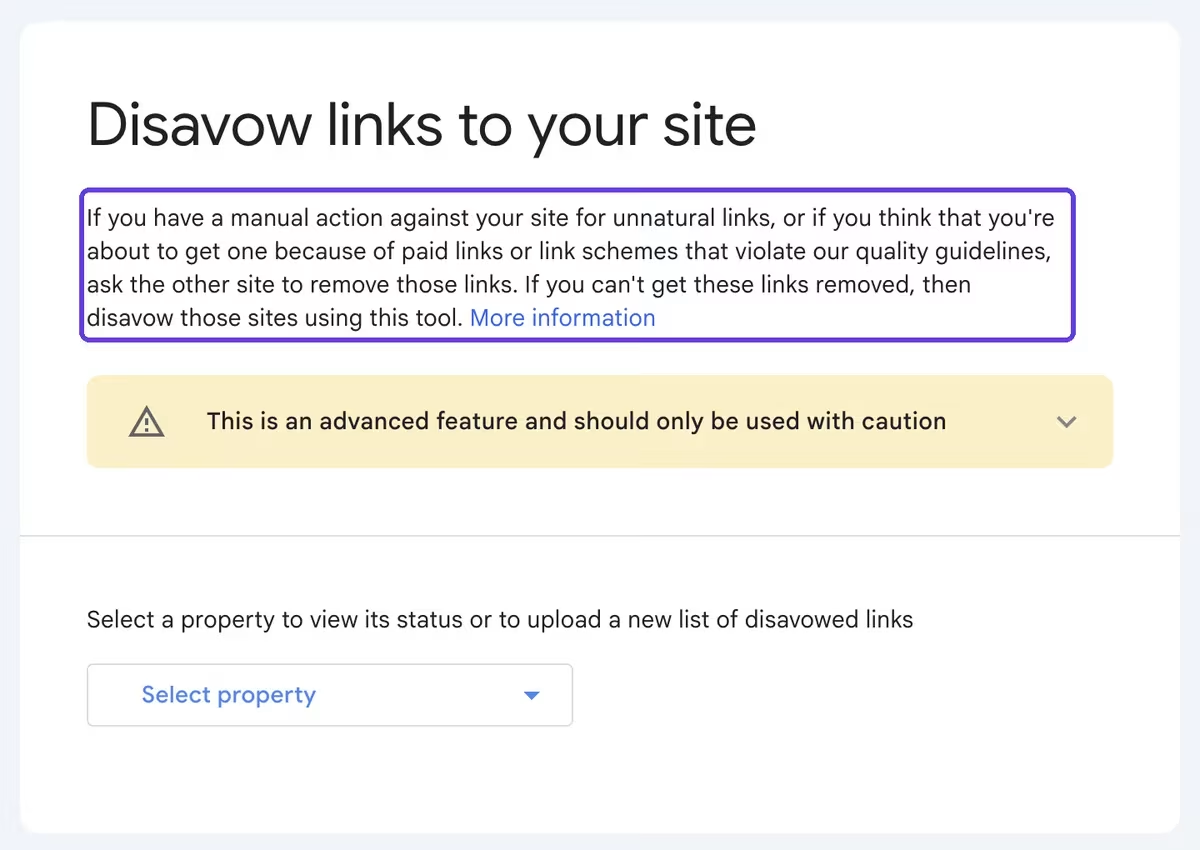
Googles Dokumentation zur Ablehnung ist ungewöhnlich direkt. Das Tool ist für Websites gedacht, die eine beträchtliche Anzahl an Spam-Links oder bezahlten Links enthalten und eine manuelle Maßnahme aufgrund dieser Umstände oder einen triftigen Grund, eine solche zu erwarten.
Darin heißt es, dass die meisten Websites das Tool überhaupt nicht benötigen, und es wird davor gewarnt, dass das Tool bei falscher Anwendung die Leistung Ihrer Website beeinträchtigen kann.
Das Tool selbst sagt genau dasselbe. Es ist nicht einmal mehr in der Hauptnavigation der Search Console zu finden; es befindet sich auf einer separaten Seite, die mit einem Warnhinweis versehen ist.
Ich betrachte die Empfehlungen von Google im Allgemeinen eher als eine interessierte Behauptung denn als feststehende Tatsache, und auf diesen Vorbehalt werde ich gleich noch eingehen.
Aber beachten Sie, was dieser Dokumentautor damit bezweckt: Google hat nichts davon, Sie von einer Disavow-Aktion abzubringen, daher sollte man eine so direkte Warnung ernst nehmen.
Was passiert jetzt mit Spam-Links, wenn man keine Disavow-Anweisung verwendet?
Zwei dokumentierte Änderungen haben den Großteil der Arbeit geleistet:
- Penguin 4.0, September 2016: Google ist davon abgekommen, Websites herabzustufen, und wertet nun den Spam selbst ab., wobei das Ranking anhand von Spam-Signalen angepasst wird, anstatt die gesamte Website abzustufen.
- Das Link-Spam-Update vom Dezember 2022: SpamBrain hat damit begonnen, unnatürliche Links in großem Umfang zu neutralisieren, sodass die Links einfach nicht mehr gezählt werden.
„Neutralisiert“ bedeutet, dass die Links in beide Richtungen nicht mehr gezählt werden. Alle Link-Equity Sie haben eine Verdunstung vorgetäuscht, doch es folgt keine Strafe.
John Mueller John MuellerSearch Advocate, GoogleGoogles „Search Advocate“ und der wichtigste offizielle Sprecher der Google Search Relations.LinkedInXSuchzentrale war noch deutlicher als die Dokumentationen. Er hat erklärt, dass Googles Systeme wirklich gut damit umgehen können, zufällige Spam-Links zu filtern, und er bezeichnet routinemäßige Disavow-Maßnahmen ohne manuelle Maßnahme als Zeitverschwendung.
Außerdem hat er Die Angeklagten werfen den Anbietern dieser Dienste vor, daraus Kapital zu schlagen bei Kunden, die es nicht besser wissen.
Nun zu dem Vorbehalt, den ich angekündigt habe. “Wir kümmern uns darum” ist eine Aussage des Unternehmens, das davon profitiert, wenn Sie Ihre Nachforschungen einstellen – daher nehme ich das auch nicht einfach für bare Münze.
Einige Praktiker berichten nach wie vor von Genesungsfällen nach umfangreichen Sanierungsmaßnahmen, fast immer an Standorten mit einer nachweislichen Manipulationsgeschichte, und diese Berichte lassen sich kausal nur schwer nachweisen.
Die ehrliche Einschätzung: „Devaluation“ kommt gut mit zufälligem Müll zurecht, und der umstrittene Bereich sind gezielte, konzentrierte Link-Strukturen – genau das, worauf Googles eigenes Dokument das Tool bereits ausrichtet.
| Der Glaube | Was die Beweislage belegt |
|---|---|
| Spam-Links beeinträchtigen meine Platzierungen | Google wertet die meisten Spam-Links automatisch ab oder neutralisiert sie; sie geben in der Regel überhaupt keine Wertung weiter. |
| Ein hoher Toxizitätswert bedeutet, dass ich mich davon distanzieren muss. | “Toxic” ist eine Kennzahl eines Tools, nicht von Google; diese Tools kennzeichnen harmlose Links ebenso wie Links, die tatsächlich Einnahmen generieren |
| Eine Distanzierung ist eine harmlose Absicherung | In einem Dokument von Google selbst wird davor gewarnt, dass eine falsche Verwendung die Leistung beeinträchtigen kann; zu weit gefasste Dateien unterbrechen echte Verknüpfungen |
| Mein Ranking-Rückgang muss ein negativer SEO-Angriff sein | Rangverlust ist meist auf Algorithmus-Updates, Änderungen bei der Indizierung oder Messungen zurückzuführen; Link-Angriffe führen selten allein zu einer Verschiebung der Platzierungen. |
Die tatsächlichen Kosten einer Ablehnung aufgrund des „Toxic Score“ eines Tools
Die Disavow-Datei liefert Ihnen keinerlei Rückmeldung. Google betrachtet sie als nachdrückliche Empfehlung, diese Links zu ignorieren, benötigt Wochen, um sie bei der erneuten Indizierung neu zu verarbeiten, und teilt Ihnen niemals mit, was sich geändert hat.
Du fährst blind, und das ist keine gute Ausgangslage für aggressive Kurvenfahrten.
Genau das macht zu weit gefasste Dateien so kostspielig. Die „Toxic“-Werte werden anhand von Indikatoren berechnet: spamverdächtige Ankertexte, niedrige Autoritätskennzahlen, ungewöhnliche TLDs – und echte, wertvolle Links erfüllen diese Indikatoren oft nicht.
Ein Muster, das bei Audits und nachträglichen Analysen der Community immer wieder auftaucht, ist, dass eine Website Hunderte von Domains aus einem Tool-Export ablehnt, von denen eine Handvoll still und leise Wert weitergab, und Die Platzierungen sinken, und es gibt nichts “Toxisches” mehr, dem man die Schuld geben könnte.
Die Datei verursacht auch nach dem Hochladen weiterhin Kosten, da sich fast niemand daran erinnert, dass sie überhaupt existiert. Eine vergessene Disavow-Datei aus einer früheren SEO-Maßnahme kann dort jahrelang liegen bleiben und legitime Links unterdrücken.
Wenn Sie eine Website übernehmen, sollte die Überprüfung, ob bereits eine Disavow-Datei vorhanden ist, auf Ihrer Checkliste für die erste Woche stehen.
Was eine wiederkehrende Praxis der Link-Disavowal über Ihren Linkaufbau aussagt
Der Anwendungsbereich des Tools selbst verrät es bereits. Google hat es für Links entwickelt, die Sie selbst oder ein von Ihnen beauftragter SEO-Experte tatsächlich erstellt haben: bezahlte Platzierungen, PBNs, mit Ankertexten überladene Gastbeiträge – gepaart mit einer manuellen Maßnahme oder einer, die sich bereits abzeichnet.
Eine umfangreiche Disavow-Datei ist also im Grunde genommen ein schriftlicher Nachweis Ihrer eigenen Linkaufbau-Maßnahmen. Dass Sie jeden Monat darauf zurückgreifen müssen, ist kein Zeichen dafür, dass Google Sie falsch einschätzt, sondern ein Zeichen dafür, dass weiterhin unerwünschte Links aufgebaut werden.
Wenn Ihr Backlink-Profil immer wieder eine Disavow-Maßnahme erfordert, stellt sich die berechtigte Frage: Wer baut eigentlich immer wieder die Links auf, die Sie immer wieder ablehnen? Die Lösung liegt nicht in einer bereinigten Liste, sondern darin, von vornherein keine manipulativen Links aufzubauen.
Um fair zu sein: Die Datei “verrät” Sie nicht heimlich an einen Prüfer. Google hat spamartige Links bereits seit 2016 herabgestuft, und seit dem Spam-Update von 2022 ignoriert es diese praktisch vollständig, sodass zufälliger Müll in der Regel in keiner Richtung Auswirkungen hat.
Das eigentliche Risiko eines umfangreichen, selbst erstellten Spam-Profils liegt woanders. Denn Search Engine Land berichtete, kann ein ausreichend starkes Muster aus Spam-Links dazu führen, dass Penguin der gesamten Website misstraut, anstatt die Links einzeln zu ignorieren.
Das ist der Kernpunkt, um den sich sowohl Googles Dokument als auch Muellers Argument der “Zeitverschwendung” drehen. Routinemäßige Disavow-Maßnahmen lösen kein Problem, aber eine echte, konzentrierte Manipulationshistorie ist ein echtes Risiko, und die Lösung besteht darin, diese nicht weiter aufzubauen, anstatt sie einfach nur zu archivieren.
Wann eine Disavow-Datei die richtige Entscheidung ist
A Manuelle Maßnahme bei unnatürlichen Links Das ist ganz klar der Fall. Ein menschlicher Prüfer hat Ihr Profil markiert, dies wird im Bericht „Manuelle Maßnahmen“ in der Search Console angezeigt, und die Bereinigung sowie ein Disavow-Antrag für die Inhalte, die Sie nicht entfernen lassen können, sind Teil des Verfahrens zur erneuten Überprüfung.
Genau dafür wurde dieses Werkzeug entwickelt.
Der zweite Fall ist ein Linkprofil, von dem Sie wissen, dass es unsauber ist, weil Sie es selbst oder ein von Ihnen beauftragter SEO-Experte aufgebaut haben: bezahlte Platzierungen, ein PBN, massenhafte Gastbeiträge mit kommerziellen Ankertexten.
Wenn diese Vergangenheit so präsent ist, dass sie zu einer bewussten Handlung einlädt, ist das Vorwegnehmen des eigenen “Das wird mir noch passieren”-Szenarios des Autors eine Art Absicherung, und wenn man es geschickt anstellt, ist das eine kostengünstige Versicherung.
Panik wegen „Negative SEO“ ist meist unbegründet. SpamBrain wurde genau zu dem Zweck entwickelt, bösartigen Spam zu neutralisieren, und Muellers Kritik richtete sich gegen die Anbieter, die diese Panik schüren.
Wenn Sie ein wirklich gezielter Angriff beunruhigt, kostet eine gezielte Ablehnung dieses einen Musters kaum etwas; lassen Sie es nur nicht zu einem monatlichen Ritual gegen schädliche Links ausarten.
Was Sie vor dem Hochladen einer Disavow-Datei überprüfen sollten
Die meisten Einbrüche, die den Links angelastet werden, haben letztendlich andere Ursachen: ein Algorithmus-Update, eine Neuindexierung oder ein Messartefakt.
Ich habe bereits erläutert, wie Google kann Einbrüche inszenieren, die wie Strafen aussehen und warum Eine sinkende Anzahl indizierter Seiten ist in der Regel eine buchhalterische Angelegenheit, und ich habe auf LinkedIn darüber geschrieben, Warum ich aufgehört habe, auf Einbußen bei den Rankings zu reagieren überhaupt nicht. Die Frage nach der Ablehnung verdient dieselbe Systematik, und zwar in dieser Reihenfolge:
Die Checkliste vor der Ablehnung, in der richtigen Reihenfolge
- Öffnen Sie den Bericht „Manuelle Maßnahmen“ in der Search Console; dort wird eine echte Link-Strafe als solche bezeichnet
- Die Ursache des Abfalls selbst diagnostizieren: Aktualisierung des Zeitablaufs, Änderungen bei der Indizierung, Messrauschen
- Frage dich, was du (oder ein früherer SEO-Mitarbeiter) tatsächlich aufgebaut hast: bezahlte Links, PBNs, mit Ankertexten überladene Gastbeiträge
- Nur eine manuelle Maßnahme oder ein nachweisbarer Manipulationsverlauf rechtfertigt eine Disavow-Anweisung; ansonsten sollte man die Sache auf sich beruhen lassen.
Sollte man also im Jahr 2026 eine Disavow-Datei verwenden?
Für die meisten Websites gilt: Nein. Das Tool löst ein Problem, das die meisten Websites gar nicht haben. Die Fakten deuten darauf hin, dass Google den „Müll“, um den sich Ihr Toxic-Score-Bericht sorgt, ohnehin bereits herabstuft, und die Nachteile einer zu weit gefassten Datei sind real, während der Nutzen in der Regel gleich Null ist.
Wäre dies meine Website und hätte ich eine manuelle Maßnahme erhalten oder wüsste ich, dass dahinter ein bezahlter Link steckt, würde ich diese ohne zu zögern, gezielt und sorgfältig ablehnen; genau dafür ist dieses Tool ja da.
Alles andere ist reine Zeitverschwendung, und die Zeit sollte besser für die Seiten, die internen Links und die Inhalte genutzt werden, die tatsächlich für ein gutes Ranking sorgen.
Bist du dir nicht sicher, ob deine Links wirklich das Problem sind?
Zögern Sie nicht kontaktieren Sie uns oder E-Mail; Ich werde Ihnen ehrlich sagen, ob eine Disavow-Maßnahme in Ihrer Situation helfen würde oder nur Zeitverschwendung wäre. Denken Sie daran: Es ist wichtiger, den Grund für den Rückgang richtig zu diagnostizieren, als schnell darauf zu reagieren.
Änderungsprotokolle
11. Juli 2026
- Es wurde ein Abschnitt hinzugefügt, der erläutert, was eine wiederkehrende „Disavow“-Praxis über Ihren eigenen Linkaufbau aussagt, einschließlich der Erkenntnis von Search Engine Land, dass ein ausgeprägtes Muster von Spam-Links dazu führen kann, dass Google der gesamten Website misstraut, anstatt die einzelnen Links nacheinander zu ignorieren.
Möchtest du, dass unsere Beiträge öfter bei Google erscheinen?
Ein Schritt – und Google zeigt diese Seite in Ihren „Top Stories“ an.